
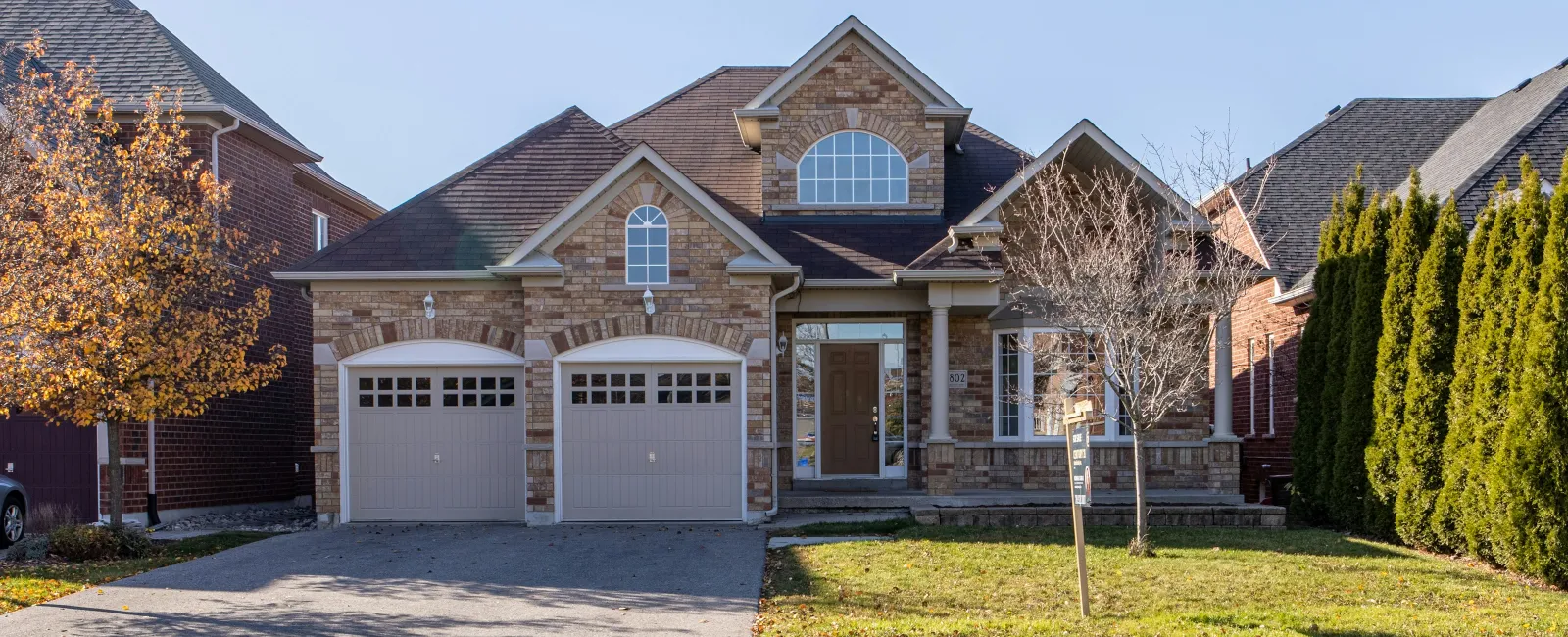
Most homeowners can refinance within six months of closing, though the exact timeline depends on the loan type, lender requirements, and the type of refinance being pursued. Conventional rate-and-term refinances often have no mandatory waiting period, while FHA and VA refinances typically require at least 210 days. Cash-out refinances across all loan types generally require a minimum of six to twelve months of on-time payments before a lender will approve the new loan.
At Flagstone Mortgage, we walk borrowers through these timelines every day, because understanding when you can refinance is just as important as understanding why.
What Does It Mean to Refinance Your Mortgage?
Refinancing replaces your current home loan with a new one, ideally on better terms. The new mortgage pays off your existing balance, and you start fresh with a different interest rate, loan term, or both. Some homeowners refinance to lower their monthly payment. Others want to shorten their repayment timeline from 30 years to 15. And some use a cash-out refinance to tap into the equity they have built in their home for renovations, debt consolidation, or other major expenses.
The process looks a lot like your original mortgage application. You will go through underwriting, a home appraisal, and closing, with new closing costs that typically range from 2% to 6% of the loan amount. That is an important detail to keep in mind when you are evaluating whether the timing makes sense financially.
Refinance Waiting Periods by Loan Type
The waiting period before you can refinance depends almost entirely on your current loan type and the refinance you are pursuing. Here is how the timelines break down.
Conventional Loans
Conventional mortgages offer the most flexibility. For a standard rate-and-term refinance, Fannie Mae or Freddie Mac technically requires no waiting period. However, most lenders enforce their own "seasoning" requirement of at least six months before they will process a refinance with the same company. If you want to move to a different lender, you may be able to refinance sooner.
For a cash-out refinance on a conventional loan, you will need to have owned the home for at least twelve months, unless you inherited the property or received it through a legal separation.
FHA Loans
FHA refinances come with a few different timelines depending on the program. An FHA Streamline Refinance, which allows you to skip the appraisal and much of the paperwork, requires a minimum of 210 days from your original closing date and at least six on-time monthly payments. A standard FHA rate-and-term refinance requires a six-month wait with no more than one late payment in the prior year. And if you are looking at an FHA cash-out refinance, expect to wait at least twelve months with a solid payment history.
VA Loans
Veterans and active-duty service members with VA loans follow a similar structure. The VA Interest Rate Reduction Refinance Loan (IRRRL), commonly called a VA Streamline, requires 210 days from the date of your first payment or the closing of your original loan, whichever comes later. A VA cash-out refinance also requires at least 210 days, though many lenders prefer 12 months of ownership and consistent payments before approving the application.
USDA Loans
USDA loans tend to have the longest waiting period. Borrowers typically need at least twelve months of on-time payments before they can refinance. If you are pursuing a USDA Streamlined Assist refinance, the new interest rate must be at least 1% lower than your current rate to qualify.
When Refinancing After Purchase Actually Makes Sense
Just because you can refinance does not always mean you should. The math has to work in your favor, and that comes down to a few practical questions.
The most important consideration is your break-even point. This is the number of months it takes for your monthly savings to offset the closing costs of the new loan. For example, if your refinance costs $6,000 and your new payment saves you $200 per month, your break-even point is 30 months. If you plan to stay in the home well beyond that window, refinancing is likely a smart move. If you are thinking about selling within a year or two, those upfront costs may never pay for themselves.
Interest rates also play a major role. As of early 2026, 30-year fixed mortgage rates are hovering near the low 6% range, which is a meaningful improvement for anyone who locked in a rate above 7% during 2023 or 2024. Even a reduction of half a percentage point can translate to significant savings over the life of a 30-year loan.
Your credit profile also matters. If your score has improved since your original purchase, you may qualify for better terms today. On the other hand, refinancing too soon after your initial closing can trigger another hard inquiry on your credit report, which may temporarily lower your score by a few points.
Reasons Homeowners Refinance Soon After Buying
There are several situations where refinancing shortly after a purchase makes good financial sense. A drop in market interest rates is the most common trigger. If rates have fallen meaningfully since you closed, locking in a lower rate sooner rather than later puts more money in your pocket over time.
Switching from an adjustable-rate mortgage (ARM) to a fixed-rate loan is another common reason. ARMs can be appealing at first with their lower introductory rates, but once that initial period ends, your payment can fluctuate with the market. Converting to a fixed rate provides stability and predictability in your monthly budget.
Some homeowners refinance to eliminate private mortgage insurance (PMI). If your home has appreciated quickly or you have made extra payments toward your principal, you may have reached 20% equity faster than expected. Refinancing into a new conventional loan at that equity level removes the PMI requirement entirely, saving hundreds of dollars each month.
Life changes also drive refinancing decisions. A marriage, divorce, or change in financial circumstances might require adding or removing someone from the mortgage. Refinancing is often the most straightforward way to restructure the loan to reflect your current situation.
What to Watch Out for When Refinancing Early
Refinancing is not without its risks and costs, especially if you are doing it soon after your original purchase. Closing costs on a refinance are real expenses, and they add up. For a $300,000 loan, you could be looking at fees of $6,000 to $18,000, depending on your lender and location.
Some loan products also carry prepayment penalties, particularly certain adjustable-rate or non-QM loans. If your original mortgage includes a prepayment clause, refinancing within the first three to five years could trigger an additional fee. Always review your original loan documents or ask your lender before moving forward.
If you went through mortgage forbearance or had your loan restructured at any point, your waiting period may be extended. Borrowers who used forbearance programs may need to wait up to 24 months before they are eligible to refinance, depending on the loan type and the terms of the forbearance agreement.
How to Decide If the Timing Is Right
The best way to evaluate your refinancing timeline is to look at the full picture: your current rate versus today's rates, your remaining loan balance, your credit score, your equity position, and how long you plan to stay in the home. A good rule of thumb is to target a break-even point of 36 months or less. If your monthly savings recoup the refinancing costs within three years, the numbers are working in your favor.
At Flagstone Mortgage, we believe every refinancing conversation should start with the math, not the sales pitch. Our team is here to help you evaluate your current loan, compare your options, and determine whether refinancing now or waiting makes the most sense for your financial goals. If you are ready to explore your refinancing options, speak with one of our mortgage experts today or get a personalized quote to see what is possible.